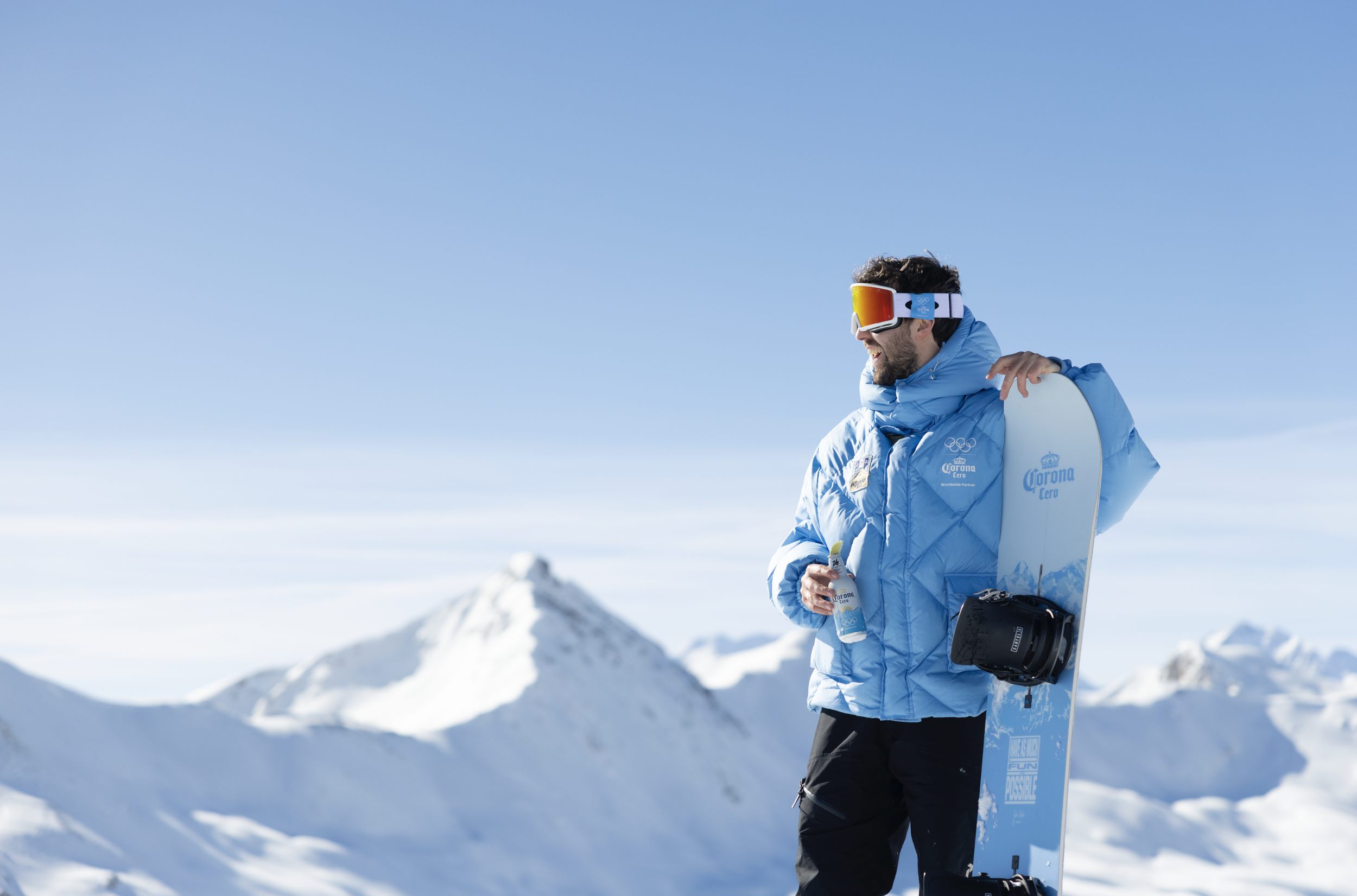
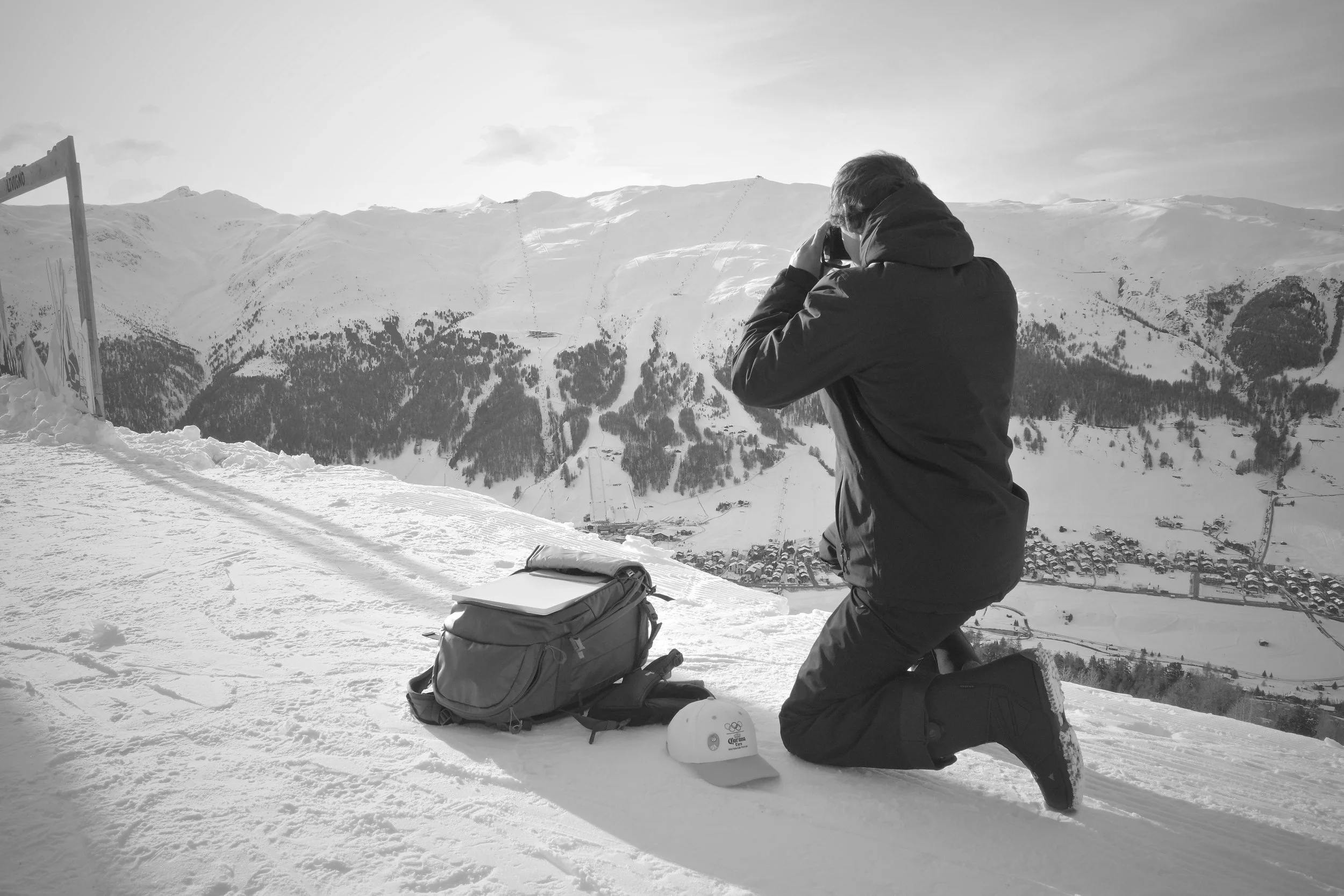
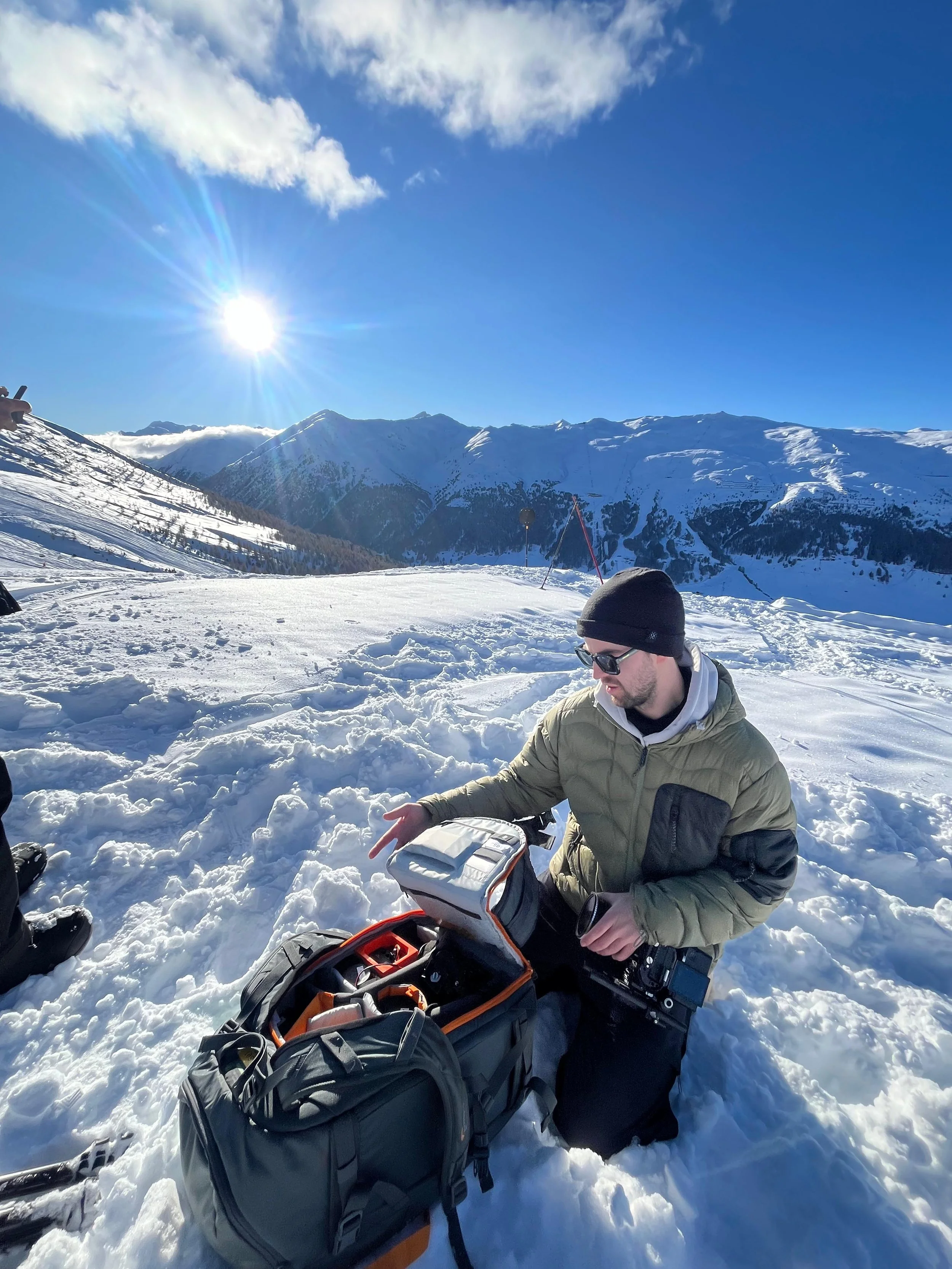
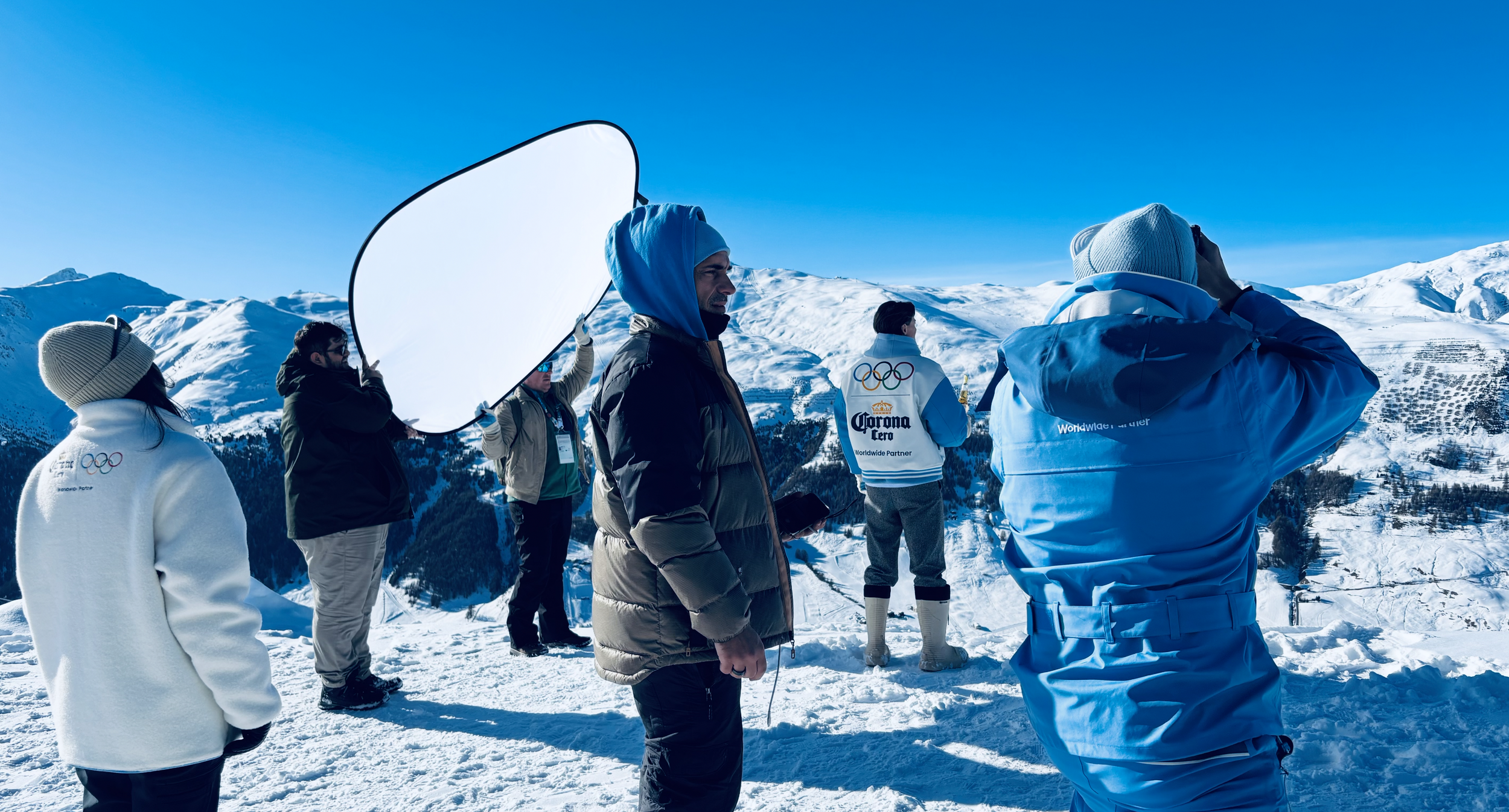
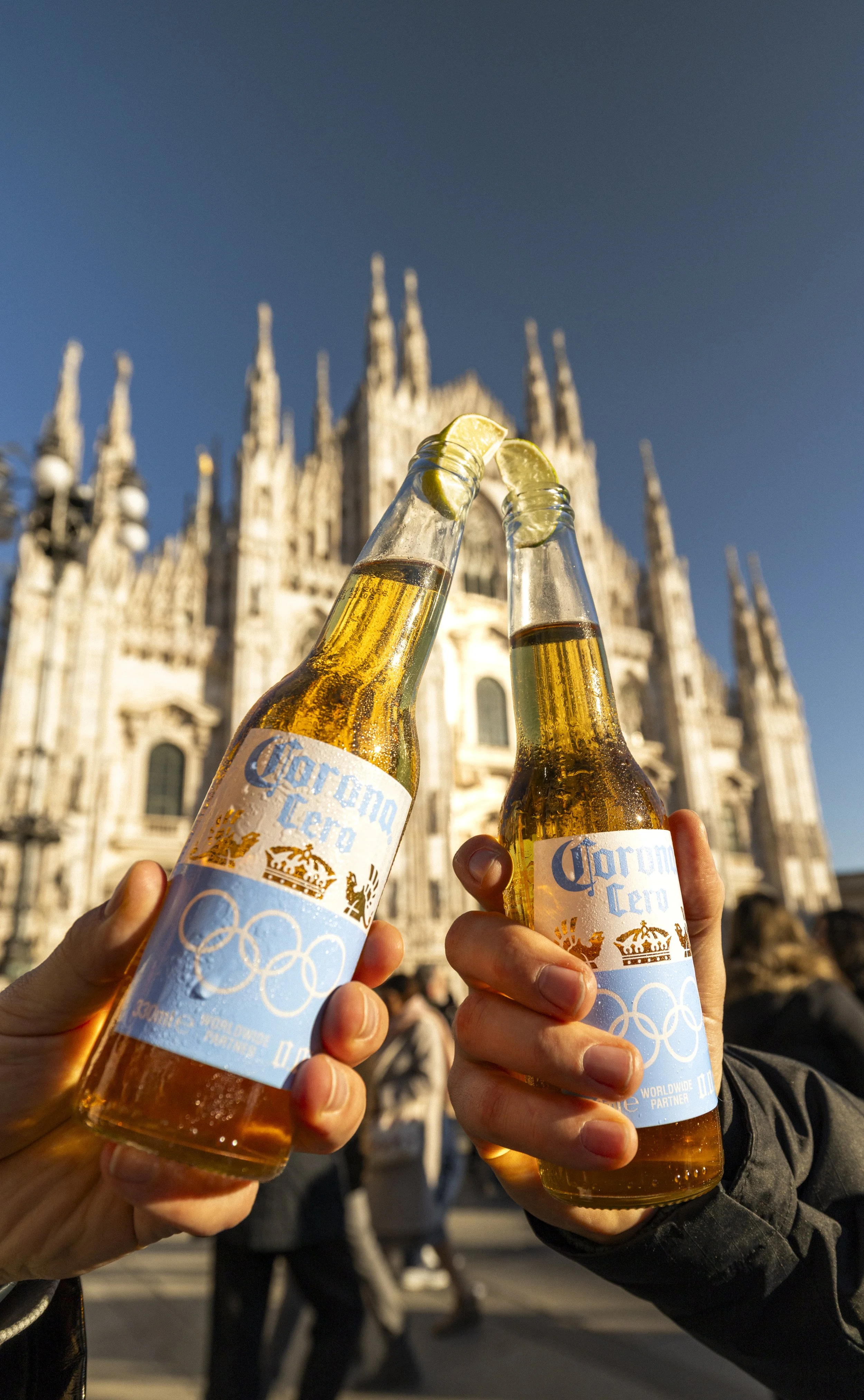
I was tasked with creating and deploying a production and post-production workflow. Through research and development, I successfully introduced the systems and tools that underpinned the content pipeline for the Milan Cortina 2026 Corona Newsroom. From creator-captured footage, combined with IOC (Olympic Broadcast Services), Getty, and archival Corona assets, all the way through to post-production, my goal was to present and build a scalable, end-to-end process that could be activated seamlessly by teams working onsite in Italy, as well as remotely in London and Argentina — and that’s exactly what we achieved.
Going into this Newsroom, I knew we would face significant logistical barriers: extreme and unpredictable weather, travel delays, an extraordinary volume of footage, the need to share it with global stakeholders, and the relatively limited internet bandwidth and infrastructure available in Livigno. Rather than simply mitigating these risks, I focused on engineering a solution that would redefine what was operationally possible in that environment.
The workflow enabled footage to move from the top of the mountains — approximately 3,439 meters up — or virtually anywhere in the world, to our editors in near real time. We eliminated the traditional lag of skiing down at the end of the day, offloading drives, and manually ingesting footage.
Through close partnerships with connectivity and workflow infrastructure providers, the solution we designed and implemented created a triple-redundancy delivery platform leveraging mobile 5G broadband, Wi-Fi, and satellite connectivity. This multi-path transmission architecture gives every piece of footage multiple simultaneous routes to delivery, dramatically increasing both reliability and speed.
By building portable network backpacks, we gave our content team high-strength mobile networks capable of uploading proxy footage directly into our shared cloud storage environment, which was then synced into our media management system. This enabled an end-to-end workflow that allowed teams to instantly review what was happening on site, whether the shoot was taking place in Milan or Livigno. We also implemented standardized media ingest and verification processes to ensure all footage was delivered consistently, with detailed reports generated on what had been captured.
Despite having strong technical redundancy in place, an unexpected global cloud outage temporarily disconnected users from the shared storage environment. Fortunately, the London and Livigno offices maintained hourly backups of all data, enabling the full team onsite and remotely to continue working with minimal disruption.
The impact of this new production pipeline has been substantial: turnaround times have been materially reduced, overnight ingest bottlenecks have been virtually eliminated, and our teams are now operating with a level of agility, responsiveness, and velocity that simply wouldn’t have been achievable without this setup. This work has fundamentally elevated our production capability and, for me, stands as a benchmark for how technology innovation can unlock speed, efficiency, and real competitive advantage across an entire operation.